How to Spot ATO Scam Calls and Text Messages
Every Australian over working age knows the sinking feeling of an unexpected message about tax. "ATO Final Notice. Outstanding debt of A$2,847.30. Pay within 24 hours to avoid legal action." The phone number looks official. The threat is specific. For a moment, you doubt yourself.
That hesitation is the entire scam. The Australian Taxation Office is consistently one of the most-impersonated organisations in the country, and the criminals running these campaigns are professionals — they buy breached data, they spoof caller IDs, they pick July and October for peak-pressure timing.
Here's how the scam actually works, why every variant has the same five tells, and what a calm response looks like.
What's actually happening
ATO impersonation comes in three flavours, and all three rely on triggering a fast emotional response before you have time to verify anything.
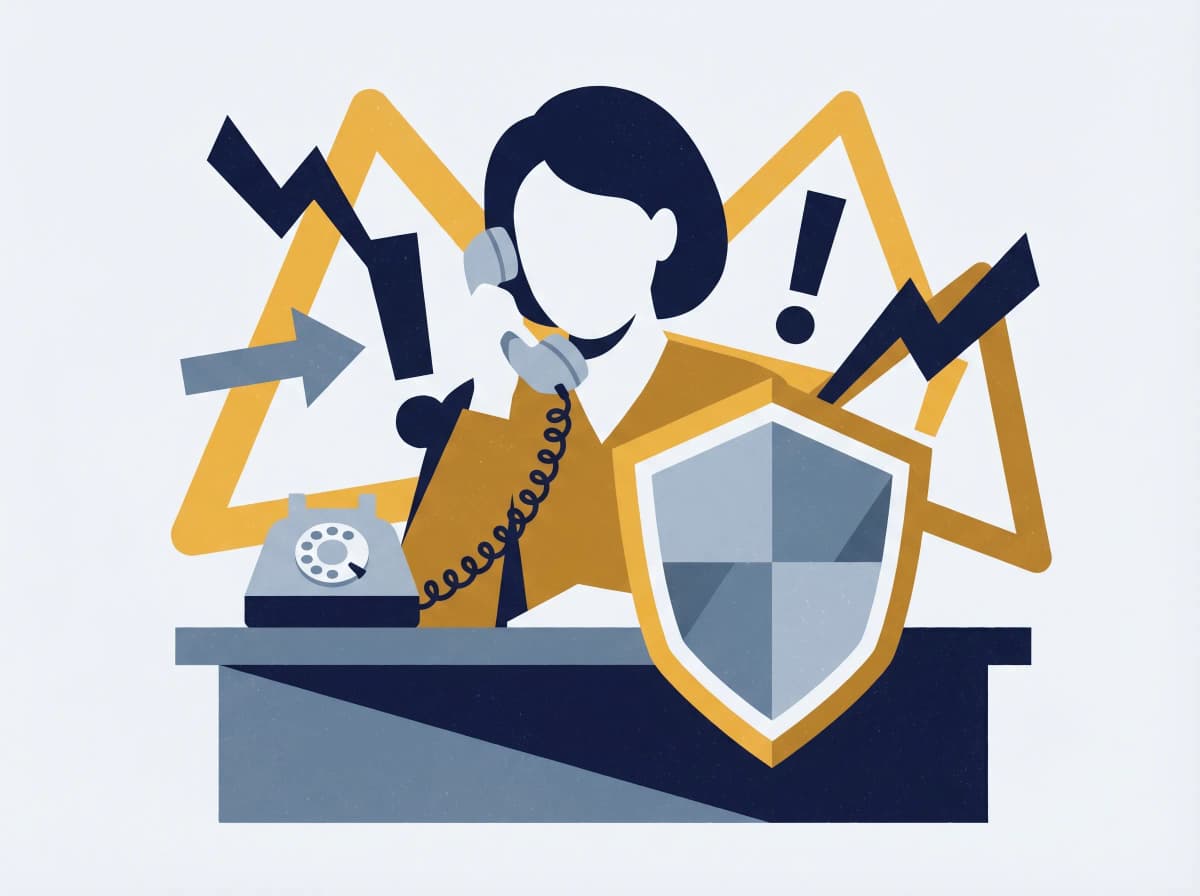
The phone call. A caller — often pre-recorded, sometimes a live "agent" — claims you owe a tax debt. The threats escalate fast: arrest warrants, deportation, court orders, frozen bank accounts. They demand immediate payment, usually via gift cards (Apple, Google Play, Steam), cryptocurrency, or wire transfer to a "secure ATO account" that doesn't exist.
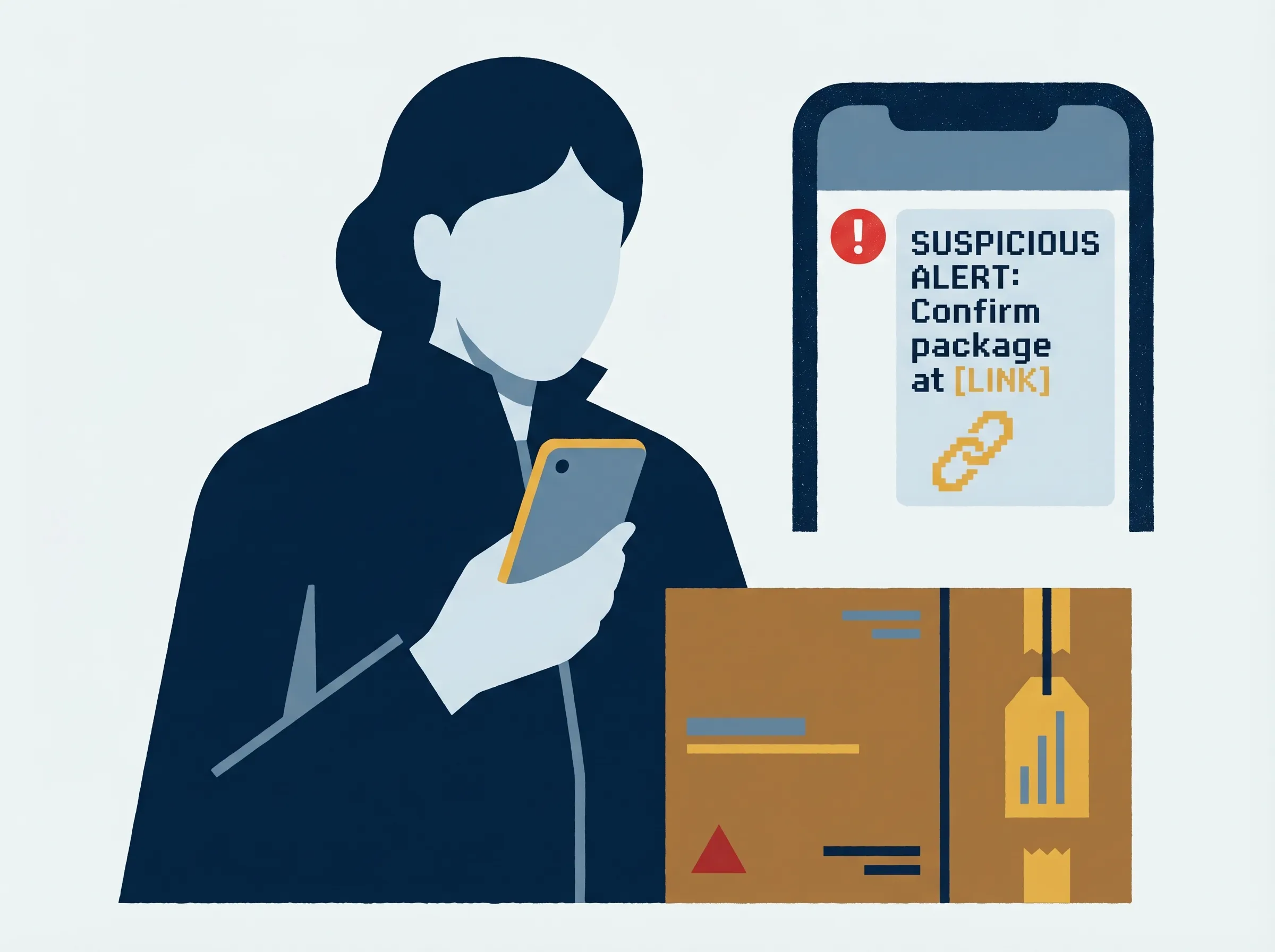
The SMS. A short text claims an outstanding balance or a "pending refund." It contains a link to a fake myGov or ATO login page that captures your credentials.
The email. A more elaborate version of the SMS, often referencing a specific tax year and using your real name pulled from a data breach.
The ATO is the single most-impersonated government agency in Australia, with tens of thousands of impersonation reports landing with Scamwatch every year. The National Anti-Scam Centre's Targeting Scams program lists government-impersonation as a perennial top-loss category — and the actual volume is many multiples of what gets reported.
The losses skew toward people in their 30s and 40s — not, as you might expect, older Australians. The reason: working-age adults are more likely to have outstanding tax matters and more likely to act fast on a "compliance" message.
Why these scams keep working
Three forces that make 2026 worse than 2025.
Caller-ID spoofing. Until ACMA's SMS Sender ID Register comes into force in mid-2026, criminals can put almost any text — including "ATO" — in the sender field. The same goes for some VoIP-routed calls displaying real ATO numbers.
AI-generated voice scripts. The pre-recorded "ATO agent" threats now sound natural enough to pass casual listening. The accents are Australian. The pacing is right.
Breach-data personalisation. Your name, phone number, partial date of birth, and sometimes a real prior address are baked into the script. "Mr Milton, regarding your filings for the 2023 year..." — that level of detail used to be a green flag. It isn't anymore.
The real ATO will never demand payment via gift cards, cryptocurrency, or wire transfer; never threaten immediate arrest, deportation, or jail; and never ask for your full TFN, banking password, or full credit card details over the phone. If a contact breaks any of those rules, it's a scam — full stop, no exceptions, regardless of how official it sounds.
How the real ATO contacts you
A short list that defuses the entire category.
- myGov inbox. Almost all ATO correspondence lands in your myGov inbox first. If a "tax debt" claim isn't visible at my.gov.au, it doesn't exist.
- Letters by post. Larger compliance matters arrive on official letterhead, with a reference number you can quote when you ring back.
- Phone calls. The ATO does call — but agents will give you a callback reference, will let you ring back via the official 13 28 61 line to verify, and will never demand on-the-spot payment.
- No-link emails. ATO emails don't contain login links. They tell you to log in at my.gov.au yourself.
- No social media or messaging-app contact. The ATO won't message you on Facebook, Instagram, WhatsApp, or Telegram — ever.
If a contact doesn't fit one of those patterns, it isn't from the ATO.
The five red flags
Run any suspicious tax message through this list. One hit is enough.
1. Demand for an unusual payment method. Gift cards, crypto, BPAY to an unfamiliar biller, "secure" wire transfers. The real ATO uses BPAY, direct debit, or credit-card payments through the official portal — and you initiate them, not the other way around.
2. Threats of immediate arrest, deportation, or violence. The ATO is a tax authority. They issue penalties through legal process; they do not dispatch police via a phone call.
3. Cold contact about a debt you didn't know about. Real ATO compliance starts with a written notice through myGov or the post. A first-contact phone call about a debt is a scam.
4. Pressure to pay before verifying. Any caller refusing to give you a reference number you can verify is a scam. The real ATO is happy to be called back on 13 28 61.
5. Requests for full TFN, banking password, or full card details. None of these are needed for legitimate ATO business and the real ATO will never ask for them on a cold call.
What to do — and the order
Hang up first. Verify second. Don't argue with the caller. Real ATO agents won't be offended if you ring back via 13 28 61; scammers will pressure you not to. That difference is the test.
1. End the contact. Hang up the phone, delete the SMS, don't reply to the email. Don't engage; don't try to "string them along"; don't share a single fact.
2. Verify directly. If you're worried there's a real tax matter, log in at my.gov.au and check your ATO inbox. Or call the ATO on 13 28 61 between 8am and 6pm weekdays.
3. Report the contact.
- Forward scam SMS to the ATO at 0427 225 427.
- Email scam emails to ReportEmailFraud@ato.gov.au, then delete.
- Report any incident to Scamwatch at scamwatch.gov.au or on 1300 795 995.
4. If you paid or shared details, act fast.
- Call your bank's fraud line: CommBank 13 2221, Westpac 132 032, NAB 13 22 65, ANZ 13 33 50.
- Call IDCARE on 1800 595 160 for free, government-funded identity-recovery support.
- Change your myGov password and turn on app-based MFA at my.gov.au.
5. Place a free 21-day credit ban at equifax.com.au/ban or experian.com.au/consumer/request-a-ban — extendable in 12-month blocks.
The bottom line
The ATO is a real organisation with real powers, but those powers run through paperwork, not panic. Anyone who calls demanding immediate payment with gift cards is a criminal, regardless of how Australian they sound or how many of your details they recite. The defence is a phone number — 13 28 61 — and a habit: hang up, verify, never pay on the spot.
If a tax message ever lands and your gut says something's off, paste it into Ask Arthur and we'll check it in seconds. Free, no signup, fully Australian threat data behind it.
If you've paid a scammer claiming to be from the ATO, contact your bank immediately, then call IDCARE on 1800 595 160 and report to Scamwatch on 1300 795 995. The official ATO scam-reporting line is 1800 008 540, and you can verify any genuine ATO contact by calling 13 28 61.
Ask Arthur is Australia's friendly scam-detection companion, built locally with Australian threat intelligence. For more guides and real-time alerts, visit askarthur.au.
Related posts
Think you've received a scam?
Check it instantly — free, private, no signup.
Check nowStay ahead of scams
Weekly alerts delivered to your inbox every Monday.